
Done well, tree pruning supports healthier growth, reduces failures in storms, and keeps trees compatible with nearby buildings and people. Done too often, it can weaken a tree and trigger messy regrowth.
How often does tree pruning usually need doing in Sydney?
Most established urban trees do not need annual cutting, and many do well with inspections every 12–24 months instead. In many settings, tree pruning is best planned every 2–5 years, with the timing driven by canopy size, exposure to wind, and what is beneath the tree.
Fast-growing species, trees in narrow verges, and those over driveways often need more frequent attention. Slow-growing natives in roomy spaces typically need less.
What changes the ideal tree pruning schedule the most?
The biggest variables are species growth rate, site constraints, and risk tolerance. Tree pruning frequency tends to increase when a tree is close to roofs, power lines, footpaths, or playgrounds because clearance and safety targets are stricter.
Past pruning history matters too. Trees that were previously over-lifted or topped often produce dense, weak shoots, which can require follow-up corrective tree pruning to rebuild structure.
When is tree pruning most important for safety in public areas?
It is most important when there are dead limbs, cracked unions, or heavy limbs extending over places where people regularly pass. In these cases, tree pruning is not a “nice-to-have”; it is a risk control step.
After major wind events or prolonged rain, councils and property managers often prioritise targeted tree pruning to remove hazards rather than cutting broadly across the canopy.
How do they know whether a tree needs pruning or just monitoring?
If the canopy is stable, clear of structures, and showing normal leaf density, monitoring is often enough. Tree pruning is more likely needed when there is visible deadwood, rubbing branches, low clearance over paths, or limbs biased to one side.
They can also look for signs of stress such as dieback at branch tips, fungal fruiting bodies, or soil changes from construction. Those issues may call for assessment before any tree pruning is decided.
What is the best time of year for tree pruning in Sydney?
In Sydney’s climate, many trees tolerate pruning across much of the year, but timing should match the species and the goal. Light tree pruning for clearance can often be done when access is easiest and conditions are safe.
Heavier structural work is commonly planned to avoid extremes of heat and to reduce stress. Flowering trees may be scheduled after blooming if they want to preserve seasonal display.
Can tree pruning be done too often?
Yes, and it is a common mistake with well-meaning maintenance plans. Frequent tree pruning can remove too much leaf area, reducing energy production and increasing sunscald on exposed limbs.
It can also stimulate rapid, weakly attached regrowth, which creates a cycle of repeat cutting. A better approach is purposeful tree pruning that solves a defined problem, then allows recovery time. Learn more about green waste removal near me and how to clear your yard without the hassle.
What does “good” tree pruning actually look like?
Good work is selective, measured, and tied to a clear objective, such as clearance, deadwood removal, or structural improvement. Tree pruning should retain the tree’s natural form and avoid random “lion-tailing” or stripping inner branches.
Cuts should be placed correctly at branch collars, and the canopy should not be thinned just to “let more light in” unless there is a reason and the species responds well to it.
How should tree pruning change for young versus mature trees?
Young trees benefit from formative guidance, often with small cuts that build strong branch spacing and a stable trunk. In that phase, tree pruning may be more frequent, but lighter, because small corrections prevent big removals later.
Mature trees usually need less frequent cutting, focusing on deadwood, clearance, and managing end-weight on long limbs. Over-pruning older trees can accelerate decline.
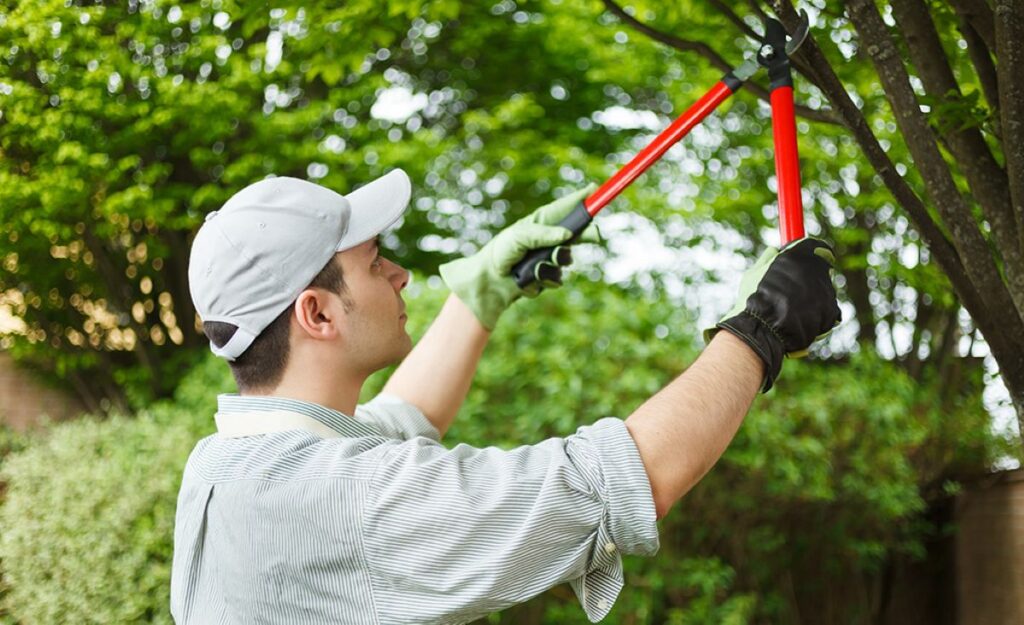
What are the biggest mistakes people make with tree pruning in urban Sydney?
One is topping, which can create decay and unstable regrowth. Another is removing too much canopy at once, especially before heat or drought periods, which increases stress.
A third is chasing symmetry rather than structure. Effective tree pruning is about load balance, attachment strength, and clearance, not making every tree look identical.
What simple rule can they use to plan tree pruning without overthinking it?
They can start with inspections rather than calendar cuts. If a tree is in a low-risk spot, an inspection every 1–2 years and tree pruning every 3–5 years is often enough, adjusted when the canopy starts encroaching or shedding deadwood.
If a tree overhangs a high-use area, they can inspect more often and use targeted tree pruning to manage specific limbs. The canopy should be guided, not constantly reduced.
See Also : Horticulture – Pruning and tree surgery